
SCROLL
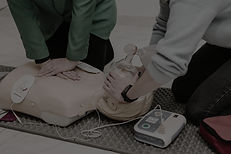
Clinical BLS Training for Healthcare and Clinical Teams
Regulated Basic Life Support, AED and anaphylaxis qualifications in Milton Keynes and at your organisation’s venue
Practical Qualsafe Clinical BLS training for clinical, administrative and support staff working in healthcare and clinical-practice environments.
Clinical basic life support training
People working in clinical-practice environments may need to respond promptly when a patient, colleague or visitor becomes unresponsive, stops breathing normally or experiences a cardiac arrest. Appropriate training helps staff recognise what has happened, summon emergency assistance and provide basic life support while further help is being arranged.
DTMK Training Services delivers regulated Qualsafe clinical-practice qualifications covering basic life support, cardiopulmonary resuscitation and the safe use of an automated external defibrillator. Courses are available for adult casualties or for adults, children and infants. Separate qualifications include the recognition and first-aid management of anaphylaxis.
These qualifications are suitable for people who work, or are preparing to work, in clinical-practice environments. Learners may include clinical professionals as well as reception, administrative and other support staff. The learner does not need to be a clinician.
Scheduled courses take place at our training venue in Bletchley, Milton Keynes. Private Clinical BLS training can also be arranged for healthcare providers, clinical practices and other organisations at their own suitable venue.
Upcoming Clinical BLS course in Milton Keynes
Places are currently available on our Clinical BLS, AED and Anaphylaxis course in Milton Keynes.
This practical half-day course leads to the Qualsafe Level 3 Award in Basic Life Support and Management of Anaphylaxis for Adults, Children and Infants in Clinical Practice (RQF).
It covers adult, child and infant basic life support, CPR and AED use, management of an unresponsive casualty, choking and the management of anaphylaxis.
The qualification has 4.5 guided learning hours and is assessed through seven practical assessments. Successful learners receive a regulated qualification valid for one year.
Use the booking panel below to view the available dates and reserve a place.
Clinical BLS, AED and Anaphylaxis in Milton Keynes

Clinical BLS, AED and Anaphylaxis
£69

What is Clinical BLS training?
Clinical basic life support training focuses on the immediate actions required when someone becomes unresponsive, is not breathing normally, experiences a cardiac arrest or is choking.
Depending on the qualification selected, learners practise basic life support for adults or for adults, children and infants. Training includes the appropriate use of an automated external defibrillator.
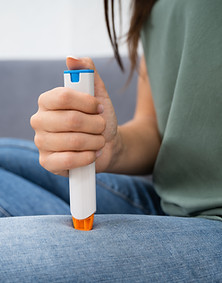
Qualifications that include anaphylaxis also cover recognising suspected anaphylaxis, summoning emergency assistance, appropriate casualty positioning and the use of adrenaline auto-injector training devices.
These are Basic Life Support qualifications for clinical-practice environments. They are not Advanced Life Support, Immediate Life Support or hospital crash-team courses.
They do not include cardiac-rhythm interpretation, manual defibrillation, advanced airway procedures or general emergency-drug administration.
Achievement of a qualification confirms that the learner has successfully completed its prescribed learning and assessment requirements. It does not provide a licence to practise or extend the learner’s professional scope of practice.
Employers remain responsible for determining the training their staff require and the procedures they may undertake within the organisation’s clinical-governance arrangements.
Who may find Clinical BLS training relevant?
These qualifications are intended for people working, or preparing to work, in clinical-practice environments, including clinical, administrative and support staff. The learner does not need to be a clinician.
Relevant environments may include GP and primary-care services, community health centres, pharmacies, dental practices, podiatry and physiotherapy practices, aesthetics clinics, mental-health services, nursing and care homes, addiction services, sexual-health services and sports-medicine services.
The appropriate qualification and level of training must be determined by the organisation according to its staff roles, patient groups, services, procedures and clinical-governance arrangements.
Clinical BLS training may form part of an organisation’s wider medical-emergency arrangements. It does not automatically cover every emergency procedure, medicine, item of equipment, team simulation or role-specific competence required in every clinical setting.
GP practices, dental practices, inpatient services and organisations providing specialist procedures should assess whether additional medical-emergency or role-specific training is required.
These qualifications are designed to assist clinical practices in meeting relevant Resuscitation Council UK Quality Standards in relation to basic life support training. The qualification selected must reflect the organisation’s setting and staff responsibilities.
Clinical BLS and dental practices
Clinical BLS training can provide part of a dental practice’s resuscitation-training arrangements, including CPR, basic life support and AED use.
It is not a complete dental medical-emergencies course and does not cover the full range of emergency medicines, team simulations or other role-specific requirements that may apply in primary dental care.
Different requirements also apply where conscious sedation is undertaken. Dental practices should assess their complete training needs against current professional and organisational guidance.
Clinical BLS and primary-care services
Clinical BLS training can provide an appropriate BLS, CPR and AED component for primary-care teams. Qualifications that include anaphylaxis also cover the prescribed anaphylaxis learning outcomes.
GP practices may have wider requirements relating to medical emergencies, emergency medicines, oxygen, equipment, deteriorating patients, staff roles and team procedures.
The practice should therefore identify the complete training required for each staff group through its own risk assessment and clinical-governance arrangements.
Which Clinical BLS course do you need?
The principal choices are whether your staff require adult-only or all-ages basic life support, and whether the qualification needs to include management of anaphylaxis.
Choose an adult-only course where the identified requirement relates solely to adult casualties.
Choose an all-ages course where staff may need to provide basic life support to adults, children or infants.
Select one of the anaphylaxis qualifications only where management of anaphylaxis forms part of the organisation’s identified training requirement.
If you are arranging training for an organisation, confirm the required age groups and anaphylaxis content with the person responsible for workforce training or clinical governance before booking.
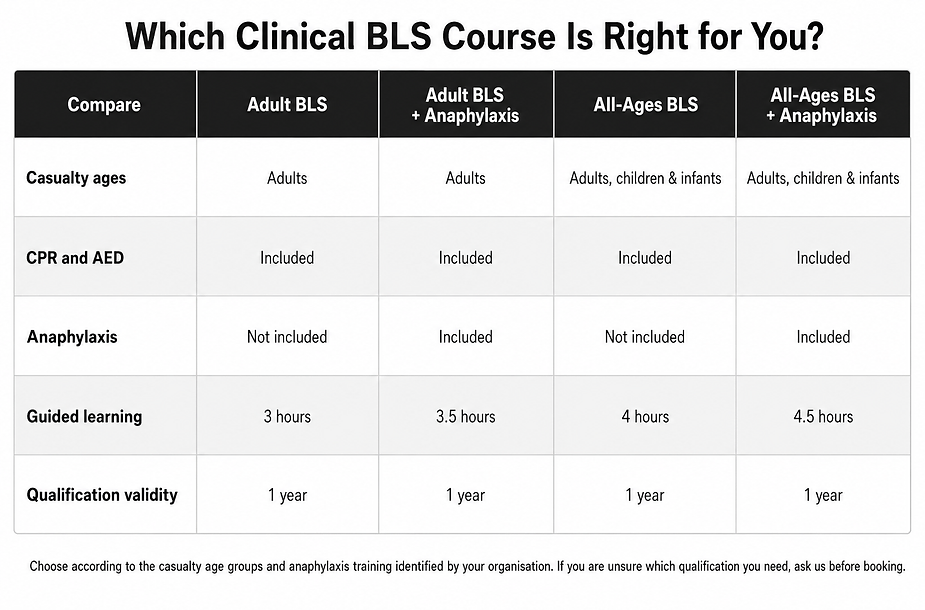
All four courses lead to regulated Qualsafe Level 3 qualifications and are valid for one year. Learners must be at least 14 years old and able to undertake the required practical activities and assessments, including activities at floor level.
Explore our Clinical BLS courses

Adult Basic Life Support in Clinical Practice
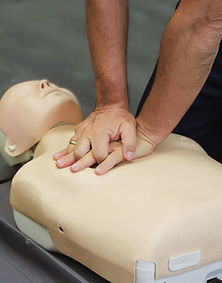
The Qualsafe Level 3 Award in Adult Basic Life Support in Clinical Practice (RQF) is for people working or preparing to work in a clinical-practice environment who require adult basic life support training.
The prescribed course content covers CPR and AED considerations, adult CPR and use of an AED, management of an unresponsive casualty and recognition and treatment of choking.
The qualification includes three guided learning hours and four practical assessments.
Successful learners receive a regulated qualification valid for one year.
Adult BLS and Management of Anaphylaxis in Clinical Practice
The Qualsafe Level 3 Award in Adult Basic Life Support and Management of Anaphylaxis in Clinical Practice (RQF) combines adult basic life support and AED training with recognition and first-aid management of anaphylaxis.
The prescribed course content covers adult CPR and AED use, management of an unresponsive casualty, choking and anaphylaxis. Learners also demonstrate the use of an adrenaline auto-injector training device.
The qualification includes 3.5 guided learning hours and five practical assessments.
Successful learners receive a regulated qualification valid for one year.
Basic Life Support for Adults, Children and Infants in Clinical Practice
The Qualsafe Level 3 Award in Basic Life Support for Adults, Children and Infants in Clinical Practice (RQF) is appropriate where learners require basic life support and AED training across all three age groups.
The prescribed course content covers adult, child and infant CPR and AED use, management of an unresponsive casualty and recognition and treatment of choking.
The qualification includes four guided learning hours and six practical assessments.
Successful learners receive a regulated qualification valid for one year.
BLS and Management of Anaphylaxis for Adults, Children and Infants in Clinical Practice
The Qualsafe Level 3 Award in Basic Life Support and Management of Anaphylaxis for Adults, Children and Infants in Clinical Practice (RQF) provides all-ages BLS and AED training together with the management of anaphylaxis.
The prescribed course content covers adult, child and infant CPR and AED use, management of an unresponsive casualty, choking and anaphylaxis. Learners also demonstrate the use of an adrenaline auto-injector training device.
The qualification includes 4.5 guided learning hours and seven practical assessments.
Successful learners receive a regulated qualification valid for one year.
DTMK currently has bookable places on this course at its Milton Keynes training venue.
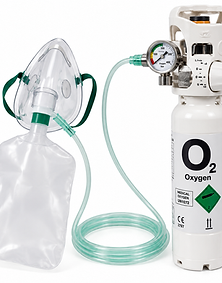
Administering Emergency Oxygen
The Qualsafe Level 3 Award in Administering Emergency Oxygen (RQF) is a separate regulated qualification for people who have a specific responsibility to administer and monitor emergency oxygen within their scope of practice.
The prescribed course content covers the benefits of emergency oxygen, indications and contraindications, oxygen safety, the dangers associated with compressed gas, pre-operational equipment checks and identifying the clinical need for oxygen.
Learners also cover oxygen delivery devices, including non-rebreather masks and pocket masks, and the use of emergency oxygen during CPR and AED use.
The qualification includes four guided learning hours and five hours of total qualification time. Assessment consists of five practical assessments and a ten-question multiple-choice paper, with a minimum pass score of seven.
Successful learners receive a regulated qualification valid for three years.
Learners must be at least 16 years old. Before registering, they must already hold First Aid at Work, a higher-level emergency-care qualification or a recognised equivalent.
Achievement of the qualification does not provide a licence to practise. It does not entitle a learner to obtain, store or administer oxygen without appropriate organisational arrangements, clinical governance and an applicable scope of practice.
Important information about anaphylaxis training
The prescribed anaphylaxis content includes recognising suspected anaphylaxis, summoning emergency assistance, appropriate casualty positioning and assisting with the casualty’s emergency adrenaline device.
The treatment content includes the casualty’s adrenaline auto-injector or nasal spray. Practical assessment includes demonstrating the use of an adrenaline auto-injector training device rather than a live auto-injector.
Clinical-practice training may additionally include simulated drawing up of the appropriate dose of adrenaline 1:1000 for intramuscular administration. This can be included only where the procedure already falls within the learners’ professional scope of practice and their organisation’s clinical-governance arrangements.
If your organisation requires the simulated drawn-up-adrenaline option, DTMK must be informed before the course is confirmed.
We will need to understand the learners’ professional roles and confirm that the procedure forms part of their existing scope of practice and organisational arrangements. Completing the training does not extend a learner’s scope of practice or provide a licence to perform the procedure.
Book an individual place or arrange team training
Scheduled Clinical BLS courses in Milton Keynes
Individuals and organisations requiring one or a small number of places can book selected Clinical BLS courses at our training venue in Bletchley, Milton Keynes.
The advertised course price includes the prescribed training, practical assessment, awarding-organisation registration and certification following successful completion. Required training equipment and course materials are also provided.
Check our live booking calendar to see the Clinical BLS courses currently available.
Clinical BLS training for organisations
Private Clinical BLS courses can be arranged for practices, care providers and other organisations at their own suitable venue.
Adult-only and all-ages qualifications are available, with or without management of anaphylaxis.
Before confirming a course, tell us which qualification your organisation requires, how many people require training, where you would like the course delivered, your preferred timescale and the professional roles of the intended learners.
For an anaphylaxis course, we also need to know whether the standard auto-injector route or the simulated drawn-up-adrenaline option is required.
If you are unsure which qualification is appropriate, contact us before booking.
Regulated Clinical BLS qualifications
DTMK Training Services is an approved Qualsafe Awards Centre.
The Clinical BLS courses on this page lead to regulated Qualsafe Level 3 qualifications and are delivered and assessed in accordance with the applicable qualification specification and lesson plan.
Training is practical. Learners must demonstrate the prescribed basic life support, AED and casualty-management skills. Anaphylaxis is assessed where it forms part of the selected qualification.
The number and nature of the assessments depend upon the qualification selected.
All four Clinical BLS qualifications are valid for one year. Learners need to retake the relevant qualification before the certificate expiry date if they are required to remain qualified.
Organisations should select training that reflects the ages of the people they support, the services they provide, the responsibilities and scope of practice of their staff, their emergency procedures and their professional and clinical-governance requirements.
If you are uncertain which qualification is appropriate, contact DTMK before booking.
Clinical BLS training in Milton Keynes and at your venue
Scheduled courses are delivered at our training venue in Bletchley, Milton Keynes.
Private Clinical BLS courses can also be arranged at suitable organisational venues across Milton Keynes and surrounding parts of Buckinghamshire, Bedfordshire, Northamptonshire and Oxfordshire.
Areas served include Bedford, Buckingham, Aylesbury, Leighton Buzzard, Dunstable, Luton and Towcester.
The venue must provide sufficient space for learners to undertake the required practical training and assessment safely. Contact us if you would like to discuss venue suitability, group size or course requirements.
Frequently asked questions
Are Clinical BLS courses only for registered healthcare professionals?
No. These qualifications are intended for everyone working or preparing to work in a clinical-practice environment, including administrative and support staff. Learners do not need to be clinicians.
Should we choose adult-only or all-ages Clinical BLS?
That depends on the ages of the people your organisation may need to support. All-ages courses include adult, child and infant BLS. Your organisation should identify the required qualification through its training needs and clinical-governance arrangements.
Does every Clinical BLS course include anaphylaxis?
No. Two qualifications cover BLS without anaphylaxis, while two include management of anaphylaxis. Check the complete qualification title before booking.
Do the anaphylaxis courses include adrenaline auto-injectors?
Yes. Learners demonstrate anaphylaxis management using an adrenaline auto-injector training device. The prescribed treatment content also recognises the casualty’s relevant emergency adrenaline device, including an auto-injector or nasal spray.
Does the course include drawing up adrenaline?
Simulated drawing up of the appropriate dose of adrenaline 1:1000 may be included only where it already falls within the learner’s professional scope of practice and the organisation’s clinical-governance arrangements.
DTMK must be informed before the course is confirmed if this option is required.
Does the training include emergency drugs generally?
No. The Clinical BLS qualifications do not provide general emergency-drug training. Qualifications that include anaphylaxis cover only their prescribed anaphylaxis learning outcomes.
Is this a hospital resuscitation course?
No. These qualifications cover basic life support, AED use and the other content prescribed for the qualification selected. They are not Advanced Life Support, Immediate Life Support or hospital crash-team courses.
Is this complete medical-emergency training for a GP or dental practice?
Not necessarily. Clinical BLS may provide an appropriate resuscitation component, but GP and dental practices can have wider requirements involving emergency medicines, equipment, team procedures, simulations and role-specific competence.
Each practice should identify its complete requirements through current professional guidance, risk assessment and clinical governance.
How long are the Clinical BLS qualifications valid?
All four Clinical BLS qualifications are valid for one year from the date of achievement. Learners need to retake the relevant qualification before expiry if they are required to remain qualified.
Can DTMK train our complete team?
Yes. Private courses can be requested at a suitable organisational venue. Tell us which qualification you require, how many learners need training and any relevant organisational or scope-of-practice requirements.
What happens if we are unsure which course to select?
Contact DTMK before booking. We can explain the differences between the qualifications so that your organisation can make an informed selection based on its identified requirements.
Clinical BLS guidance and further reading
CPR and defibrillator training
Understand how CPR and early use of an automated external defibrillator can improve the response to cardiac arrest, and explore the practical differences between available BLS training options.
READ ABOUT CPR AND DEFIBRILLATOR TRAINING
Understanding anaphylaxis
Learn how anaphylaxis can affect the airway, breathing and circulation, why prompt recognition matters and how emergency adrenaline treatments are developing.
Choosing first aid training in your area
Explore DTMK’s approach to scheduled and private training across Milton Keynes, Buckinghamshire, Bedfordshire, Northamptonshire and Oxfordshire.
EXPLORE FIRST AID TRAINING ACROSS OUR REGION
Healthcare organisations reviewing training beyond clinical basic life support can also explore our health and social care training, including regulated safeguarding training for appropriate staff roles.
Find the right Clinical BLS training
Book a place on our forthcoming Clinical BLS, AED and Anaphylaxis course in Milton Keynes, or ask us about arranging regulated Clinical BLS training for your organisation.
If you are unsure whether your staff require adult-only or all-ages training, anaphylaxis content or another qualification, contact us before booking.