
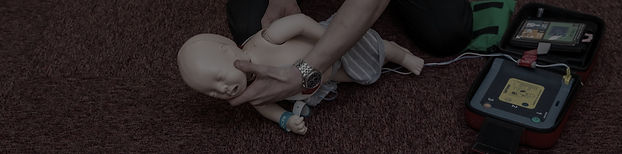
BLS, AED and Anaphylaxis Training for All Ages
Qualsafe Level 3 Award in BLS, AED and Management of Anaphylaxis for Adults, Children and Infants (RQF)


Ofqual Regulated
3
Year Certification
½
Day Course
Learn how to respond when an adult, child or infant is unresponsive, not breathing normally or experiencing suspected anaphylaxis.
This practical, Ofqual-regulated qualification combines cardiopulmonary resuscitation (CPR), safe use of an automated external defibrillator (AED), care of an unconscious casualty and the emergency management of anaphylaxis.
It is designed for members of the public and people with responsibilities at work, in voluntary organisations or in community settings. No previous first aid qualification is required.
Course at a Glance
-
Ofqual-regulated Level 3 qualification
-
Four guided learning hours
-
Five hours’ total qualification time
-
Valid for three years
-
Practical, trainer-led learning
-
Adult, child and infant CPR
-
Safe use of an AED
-
Recognition and management of anaphylaxis
-
Adrenaline auto-injector practice using a training device
-
Suitable for learners aged 14 and over
-
Delivered in Milton Keynes
-
Private group training also available
Upcoming Sessions - Book Now
Basic Life Support, AED and Anaphylaxis in Milton Keynes

Community BLS, AED & Anaphylaxis
£69

What Will I Learn?
The course prepares learners to assess an emergency safely and provide basic life support to adults, children and infants.
Assessing an Emergency
You will learn how to:
-
Check for danger and approach an incident safely
-
Conduct a scene survey
-
Carry out a primary survey
-
Recognise life-threatening conditions
-
Summon appropriate assistance
-
Call 999 or 112 when emergency help is required
Adult, Child and Infant CPR
You will practise how to:
-
Recognise when a casualty is unresponsive and not breathing normally
-
Identify abnormal breathing, including agonal gasps
-
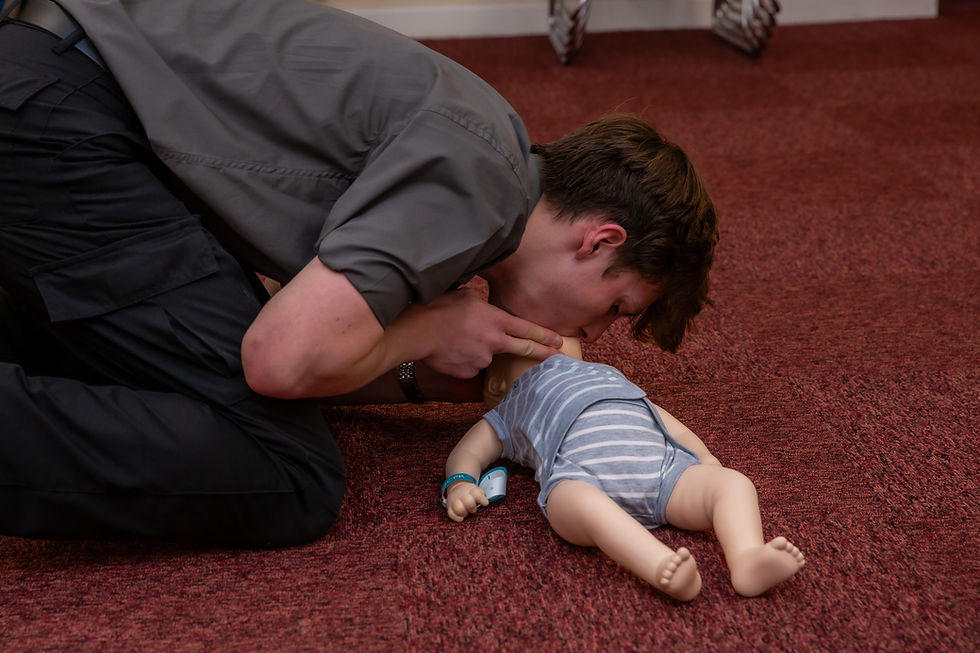
Perform CPR on adult, child and infant manikins
-
Deliver effective chest compressions and rescue breaths
-
Adapt your actions to the casualty’s age
-
Continue CPR until professional help takes over, the casualty shows clear signs of recovery or you become unable to continue
Safe Use of an AED
You will learn how to:
-
Recognise when defibrillation may be required
-
Switch on and operate an AED
-
Position AED pads correctly
-
Follow the AED’s spoken and visual instructions
-
Deliver a shock safely when instructed
-
Minimise interruptions to CPR
-
Consider practical issues including clothing, wet casualties, chest hair, implanted devices and medication patches
Caring for an Unconscious Casualty
You will practise how to:
-
Recognise an unconscious casualty who is breathing normally
-
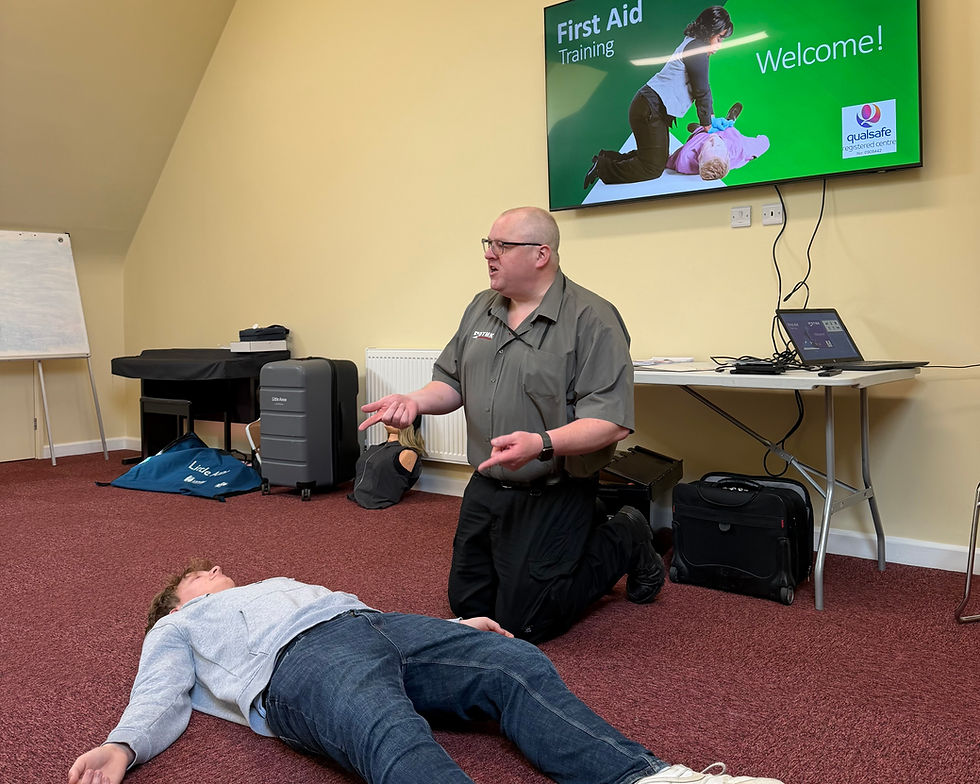
Place an adult or child into the recovery position
-
Position an infant while maintaining an open airway
-
Continually monitor the casualty’s breathing
-
Respond if the casualty’s condition changes

Recognising and Managing Anaphylaxis
Anaphylaxis is a severe allergic reaction that can progress rapidly and become life-threatening.
You will learn how to:
-
Recognise suspected anaphylaxis
-
Identify serious airway, breathing or circulation problems
-
Call 999 or 112
-
Position and monitor the casualty appropriately
-
Help with the casualty’s adrenaline auto-injector
-
Understand when a second dose may be required
-
Begin resuscitation if the casualty becomes unresponsive and stops breathing normally
You will practise using an adrenaline auto-injector training device. A live auto-injector is not used during training.
Important Scope Clarification
This community qualification covers adrenaline auto-injectors. It does not include drawing adrenaline from an ampoule or administering it with a syringe and hypodermic needle.
Learners working in clinical-practice environments should review our separate clinical qualification, which includes additional content appropriate to clinical settings and may include simulated assessment of drawing up and administering intramuscular adrenaline where this falls within the learner’s scope of practice.
How Is the Qualification Assessed?
There is no traditional written examination. Learners complete six mandatory practical assessments during the course:
-
Adult CPR and safe use of an AED
-
CPR and AED considerations
-
Child CPR and safe use of an AED
-
Infant CPR and safe use of an AED
-
Care of an unconscious casualty
-
Management of anaphylaxis
Each assessment must be completed successfully to achieve the qualification. The trainer will explain each skill, provide opportunities to practise and give feedback throughout the course.
Entry Requirements
Learners must:
-
Be at least 14 years old on the first day of training
-
Be able to undertake practical activities at floor level
-
Be able to demonstrate the required practical skills independently
There are no other formal entry requirements. Qualsafe recommends that learners have at least Level 1 literacy and numeracy, or an equivalent standard.
Please contact DTMK before booking if you would like to discuss accessibility, additional support or a possible reasonable adjustment.
What Should I Wear?
Wear comfortable clothing suitable for kneeling and working at floor level. Trousers and flat, secure footwear are recommended.
Please tell the trainer privately about any injury, health condition or accessibility requirement that could affect practical participation. Learners should not undertake an activity that may worsen an existing condition.
Learning Materials
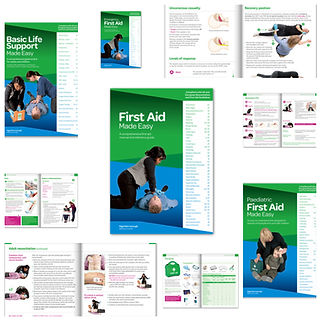
You will receive up to date reference materials on the day of your course. This is yours to keep and use as a trusted reference throughout your qualification and beyond.
Your Qualification
Successful learners receive the Qualsafe Level 3 Award in BLS, AED and Management of Anaphylaxis for Adults, Children and Infants (RQF).
-
Qualification number: 610/6089/6
-
Qualification level: Level 3
-
Guided Learning Hours: 4
-
Total Qualification Time: 5 hours
-
Credit value: 1
-
Mandatory units: 1
-
Practical assessments: 6
-
Certificate validity: 3 years
Learners must successfully complete all required assessments. The maximum period permitted for achieving the qualification, including any referrals, is three weeks.
Although the qualification remains valid for three years, annual CPR knowledge and skills refresher training is recommended.
Learning Materials
Learners receive suitable, up-to-date reference material covering the subjects included in the qualification. This is yours to keep and can be used to refresh your knowledge after the course.
Do You Work in Healthcare or Clinical Practice?
A separate qualification is available for people working in clinical-practice environments, including clinical and non-clinical support staff.
The clinical-practice course contains additional clinical-context content and assessment. Where appropriate to the learner’s role and scope of practice, this may include simulated drawing up of adrenaline and intramuscular administration using a syringe and needle.
If you are unsure which qualification you require, contact DTMK before booking and we will help you select the appropriate course.
Frequently Asked Questions
Do I need previous first aid experience?
No. There are no formal requirements for previous first aid training.
Does the course cover adults, children and infants?
Yes. CPR, AED use and casualty management are considered across all three age groups.
Will I practise CPR?
Yes. This is a practical qualification. You will practise and be assessed performing CPR using adult, child and infant manikins.
Will I practise using a defibrillator?
Yes. You will use an AED training device and practise safe pad placement, shock delivery and continuation of CPR.
Does the course include anaphylaxis?
Yes. You will learn to recognise suspected anaphylaxis, summon emergency help, position the casualty and practise using an adrenaline auto-injector training device.
Will I use a real adrenaline auto-injector?
No. Auto-injector skills are taught and assessed using a safe training device, not a live auto-injector.
Does this course cover drawing up adrenaline with a needle and syringe?
No. That is not part of this community qualification. Learners who require that additional clinical content should consider the clinical-practice qualification.
Does this course cover choking?
No. Choking is not included in this particular community qualification. If you require choking, bleeding, burns or other wider first aid subjects, please ask us about our broader first aid courses.
How long is the qualification valid?
The qualification is valid for three years. Annual CPR refresher training is recommended to help maintain confidence and practical ability.
Can DTMK deliver this course privately?
Yes. Private delivery can be arranged for workplaces, charities, clubs, voluntary organisations and community groups. Contact us to discuss your location, preferred date and number of learners.
Related Training and Helpful Links
Not sure whether this is the right qualification? Explore our community first aid and CPR courses, compare our clinical BLS and anaphylaxis qualification, or view our wider range of workplace first aid courses.
Training can also be arranged privately for workplaces, charities, clubs and community organisations. Visit training for organisations or contact DTMK for advice.